 Leap
LeapEgg & Dairy Packaging Solutions
Egg & Dairy Packaging — A Market Built on Protection
The molded pulp egg carton market reached $772.8M in 2025, projected to hit $1.25B by 2035 at 4.9% CAGR. Asia-Pacific dominates at 42.6% share (7.38% CAGR) — China alone produces 49% of global eggs. Three shifts: cage-free legislation (US/EU 2025) driving premium 30-egg formats, material innovation (Huhtamaki-Visy Jan 2025 partnership, Stora Enso Mar 2025 100% renewable fiber cartons), and hybrid designs combining molded pulp bases with branded recycled-board sleeves.
Packaging by Product Type
| Product | Material | Format | Key Spec |
|---|---|---|---|
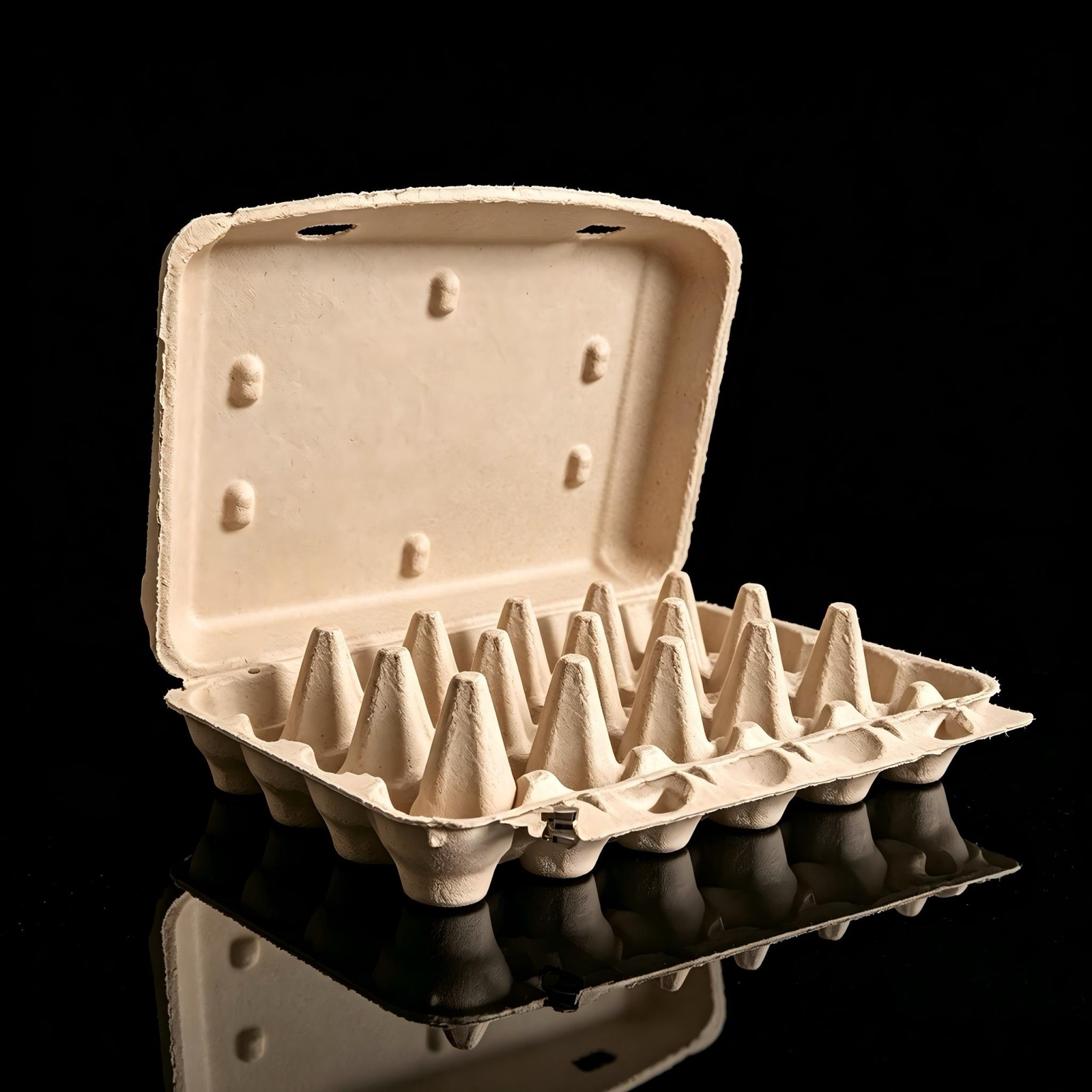
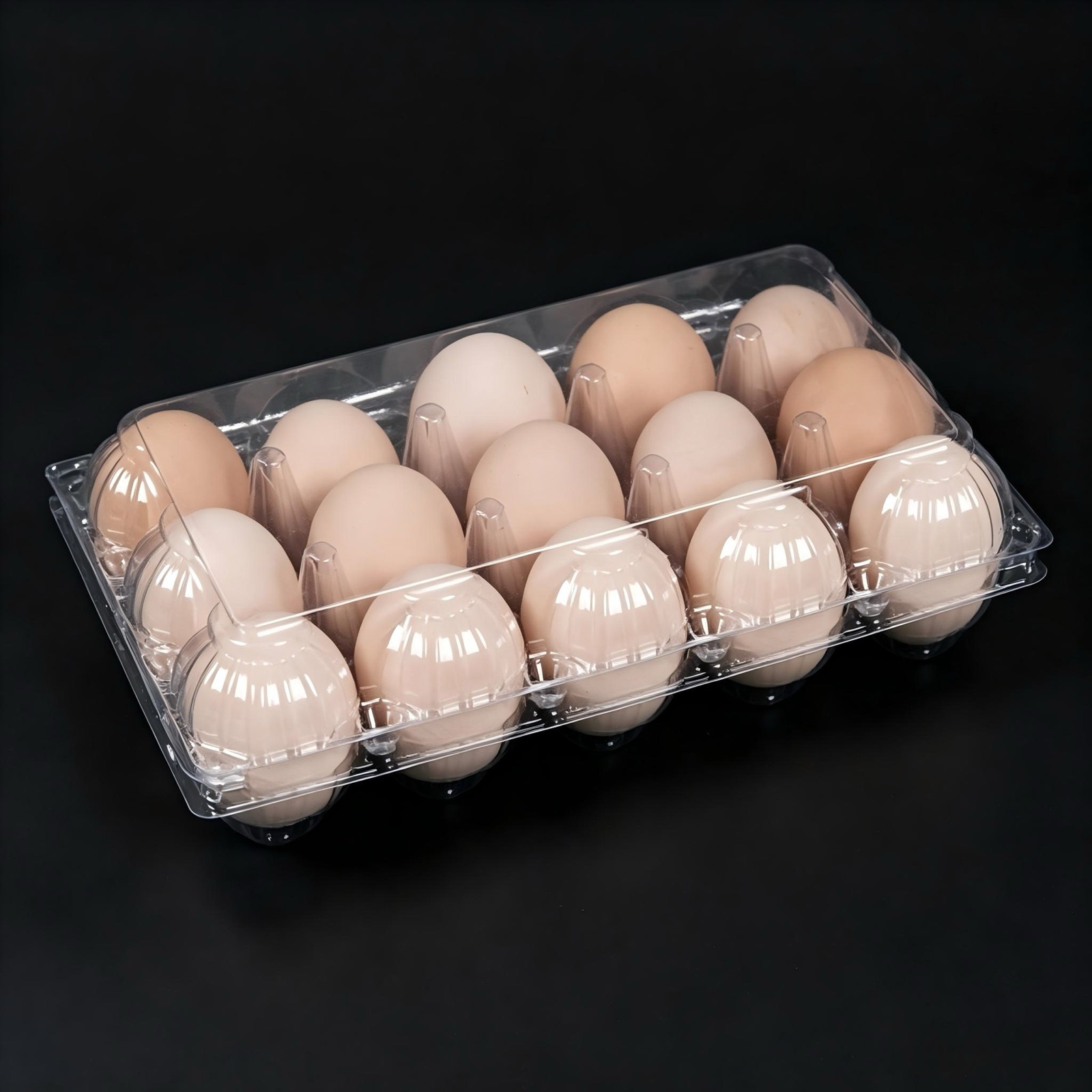
| Eggs (retail) | Molded pulp, RPET | 6/12/18 cell | Shock absorption, stackable 6-high |
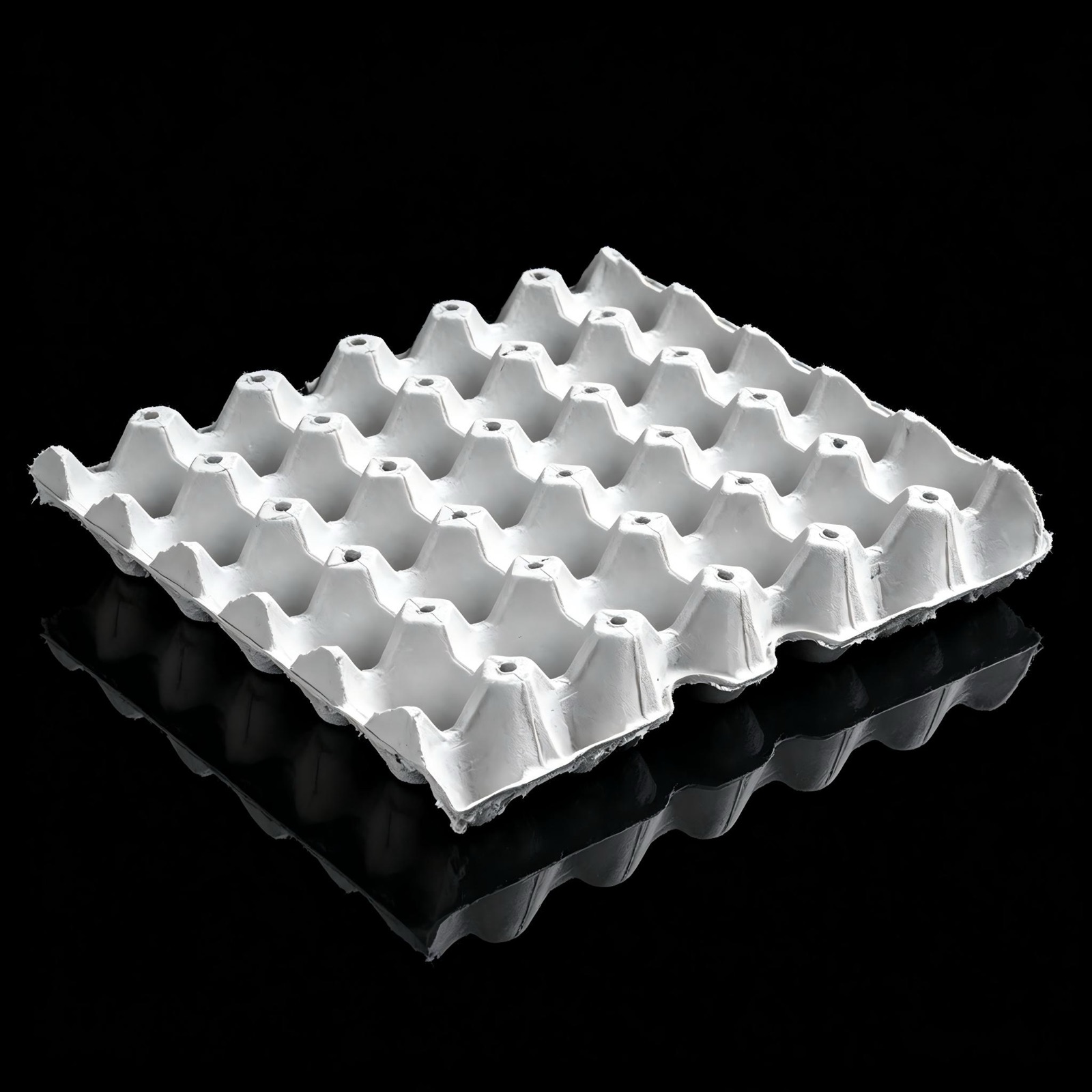
| Eggs (food service) | Molded pulp | 30-cell flats | Bulk stacking, moisture resistant |
| Yogurt cups | PP, HDPE, PET | 100g–1kg | Heat-seal lidding, tamper-evident |
| Cheese (soft/fresh) | PET tray + MAP lidding | Custom | Gas barrier, anti-fog display |
| Cheese (hard/aged) | Paper + PE, PET | Vacuum/tray | Moisture barrier, printable |
Egg Cartons — Molded Pulp vs RPET
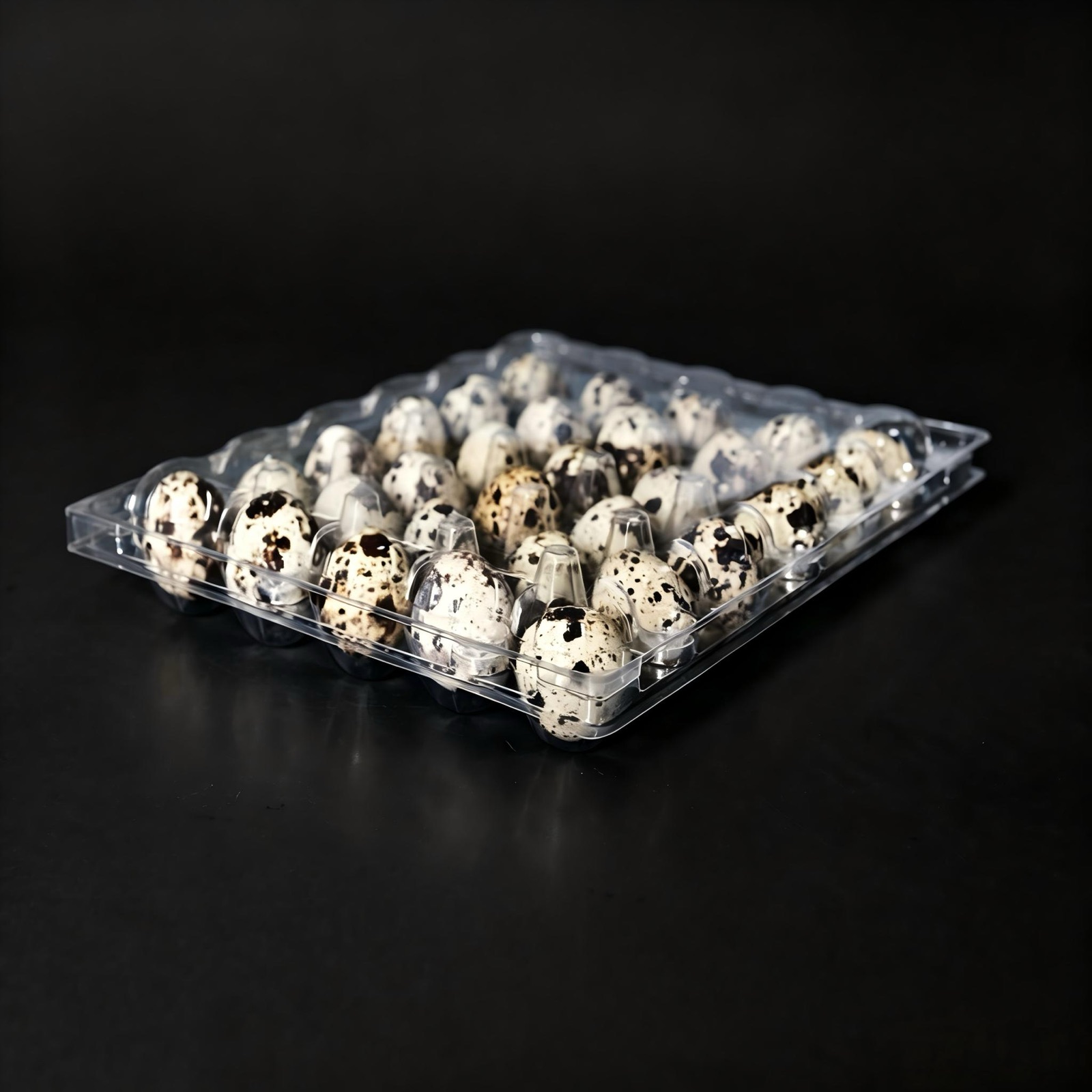
Molded pulp: natural shock absorption from bagasse fiber, breathable (extends shelf life), 100% compostable (EN 13432), costs 15–30% less than clear PET. MOQ: 50,000. Clear RPET: product visibility — consumers inspect eggs without opening — critical for premium and free-range brands. #1 PETE recyclable. GRS-certified 30–100% PCR content. MOQ: 30,000. The smartest strategy: pulp for value lines, RPET for premium. Molded pulp specs →
Ready to discuss your packaging project?
Send us your requirements — we provide a custom solution and quote within 24 hours.
Request a Quote